







|
Thông tin chi tiết sản phẩm:
|
|
| Nguồn gốc: | SẢN XUẤT TẠI TRUNG QUỐC |
|---|---|
| Hàng hiệu: | BTUTEST |
| Chứng nhận: | SGS, INTERTEK |
| Số mô hình: | BTU-TTS-1F/BTU-TTS-3F/BTU-TTS-5F/BTU-TTS-6F |
|
Thanh toán:
|
|
| Số lượng đặt hàng tối thiểu: | 1 bộ |
| Giá bán: | Có thể thương lượng |
| chi tiết đóng gói: | Thiết bị kiểm tra đất Hộp gỗ xuất khẩu tiêu chuẩn |
| Thời gian giao hàng: | 6 ngày sau khi thanh toán |
| Điều khoản thanh toán: | L/C, D/A, D/P, T/T, Western Union |
| Khả năng cung cấp: | 100 bộ mỗi tháng |
|
Thông tin chi tiết |
|||
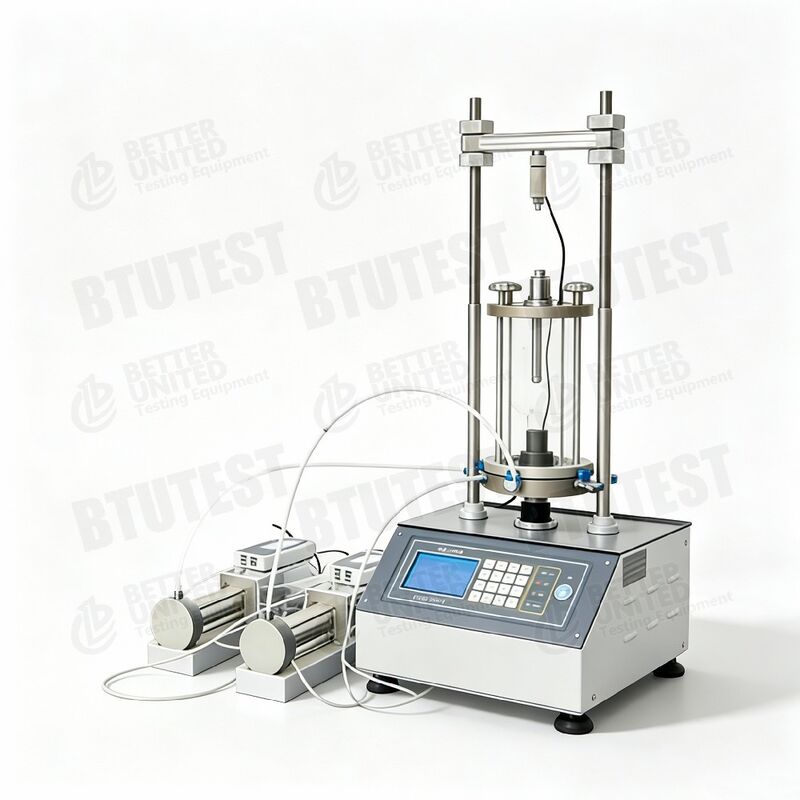
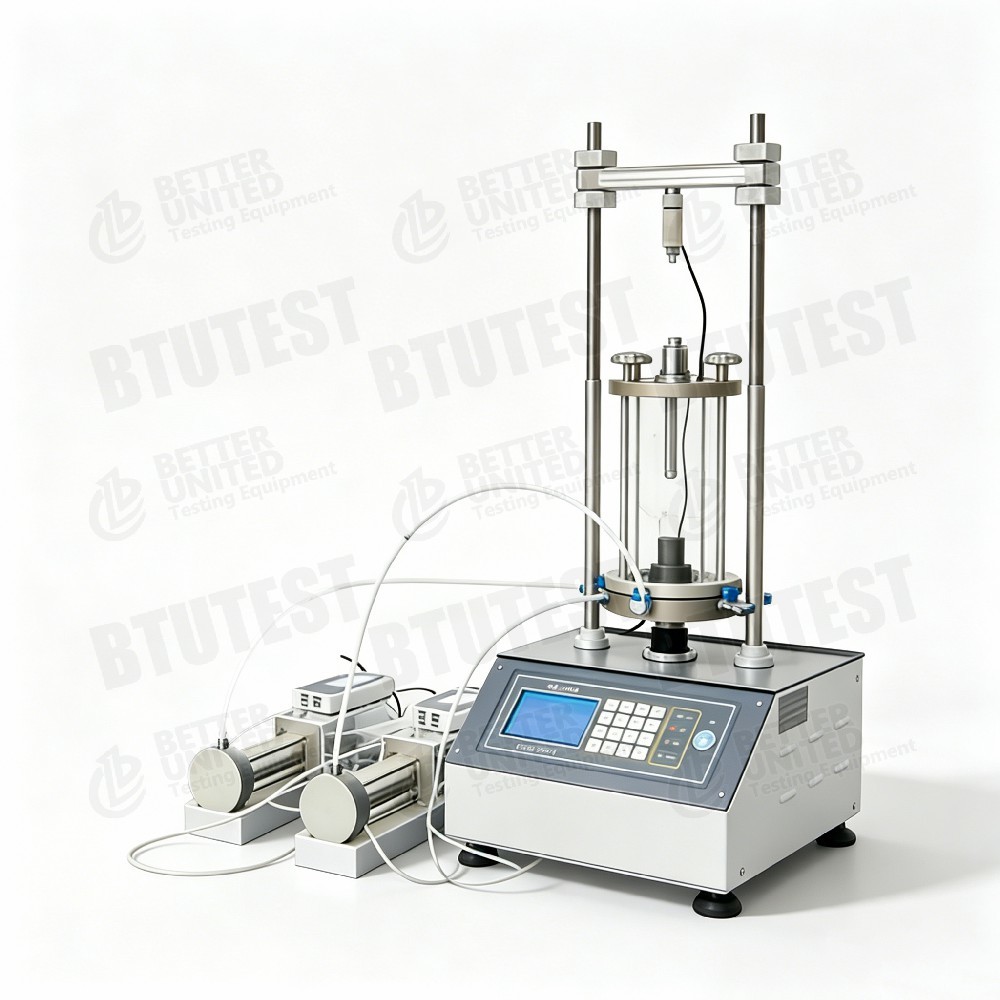
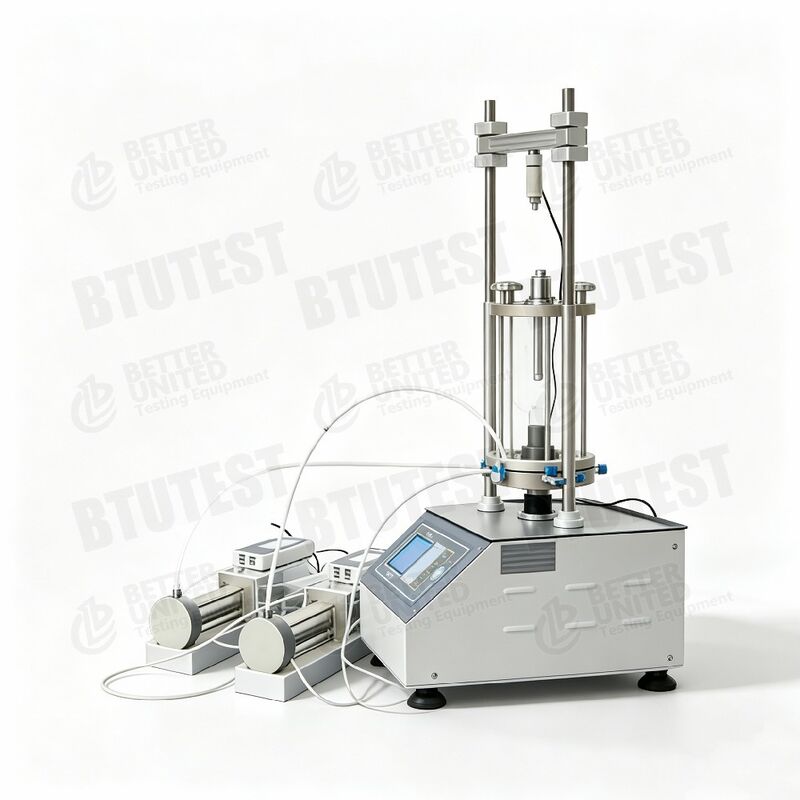
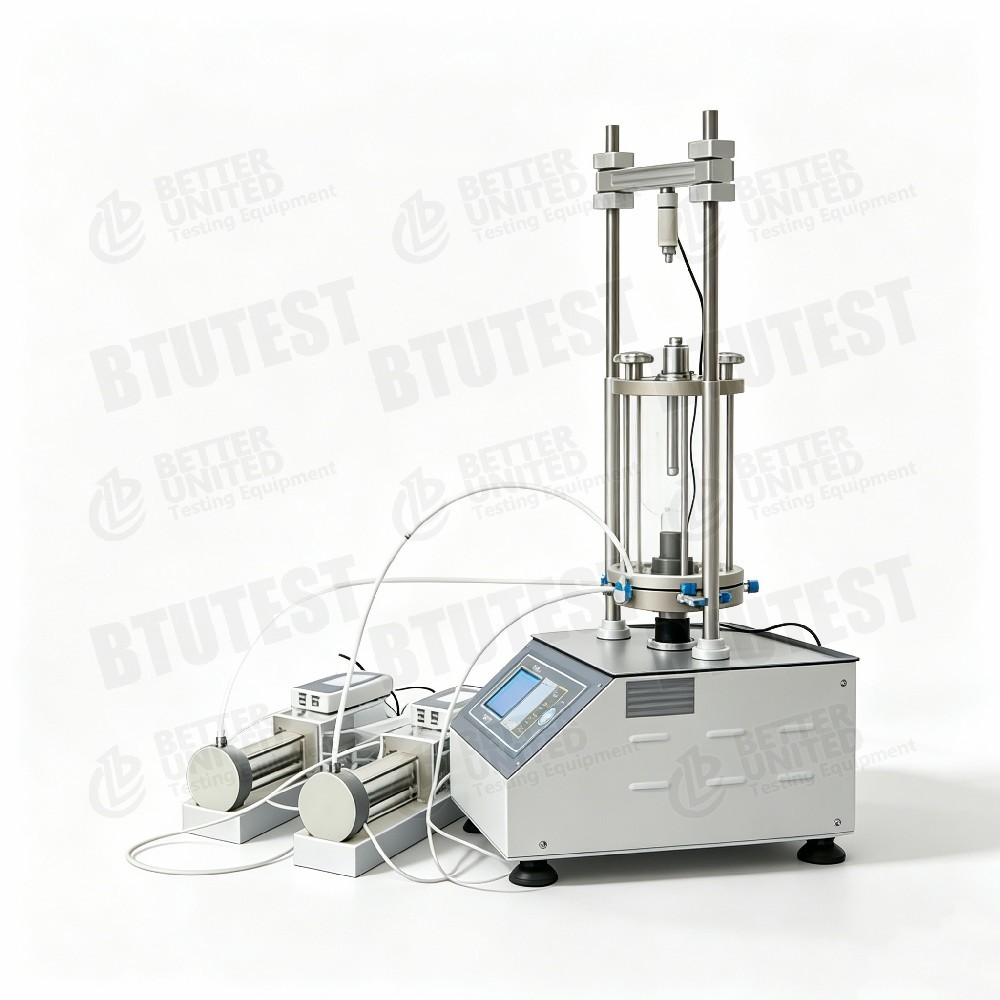
| Tên: | Hệ thống kiểm tra ba trục tự động | Bảo hành: | 1 năm |
|---|---|---|---|
| <i>Max.</i> <b>tối đa.</b> <i>Specimen Size</i> <b>Kích thước mẫu vật</b>: | Φ70 × H140/Φ101 × H200/Φ38 × H76& Φ50 /Φ150 × H300× H100/ | Tối đa. lực dọc trục: | 10 kN/30 kN/50 kN/60 kN |
| Tốc độ cắt (mm/phút): | 0,00001~9,99999 | Yêu cầu áp suất không khí: | 2MPa |
Mô tả sản phẩm
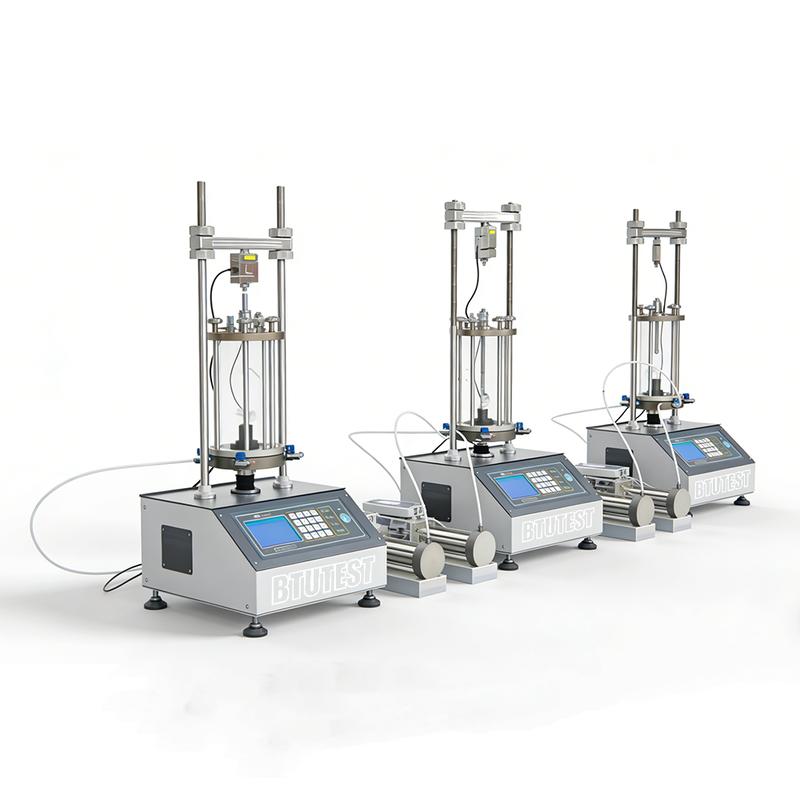
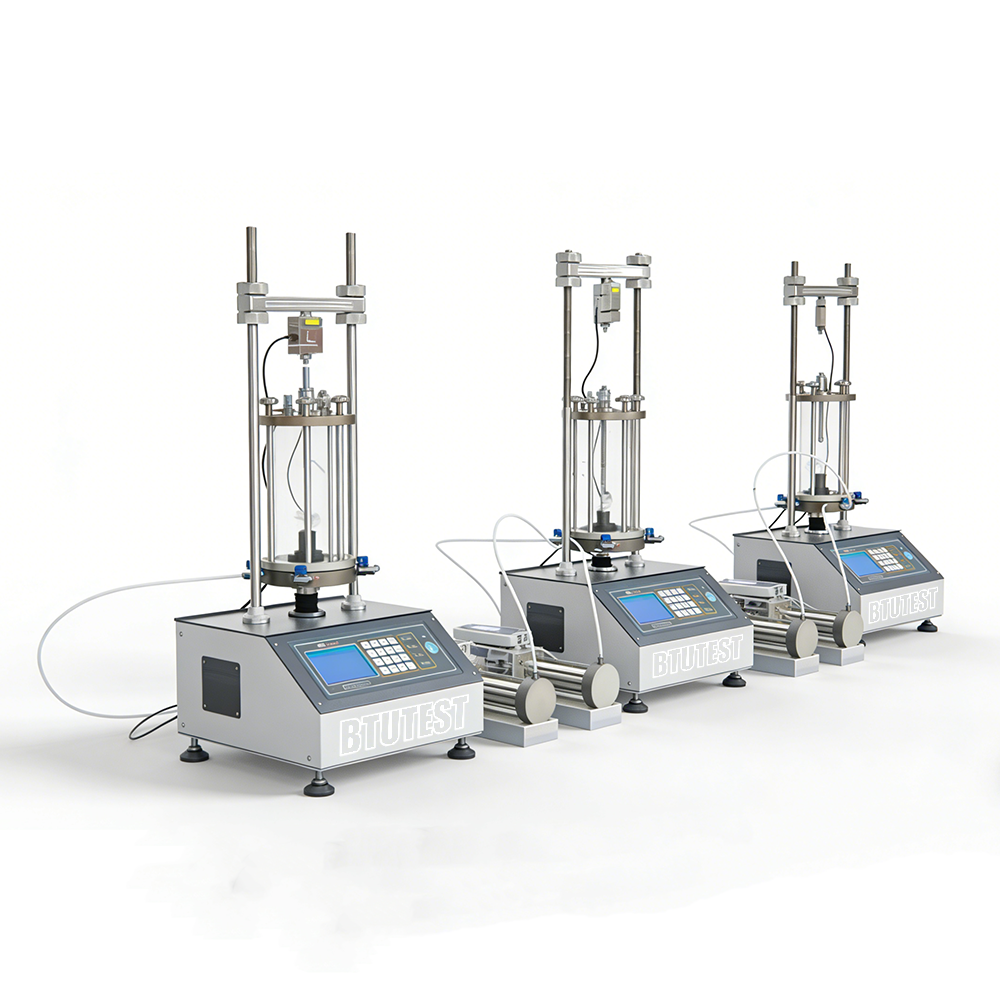
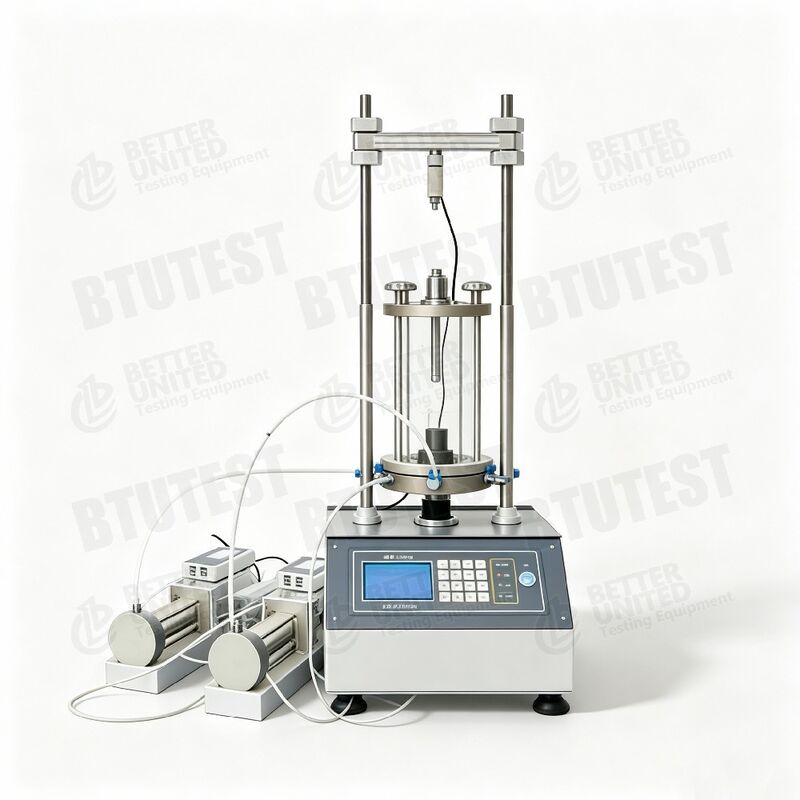
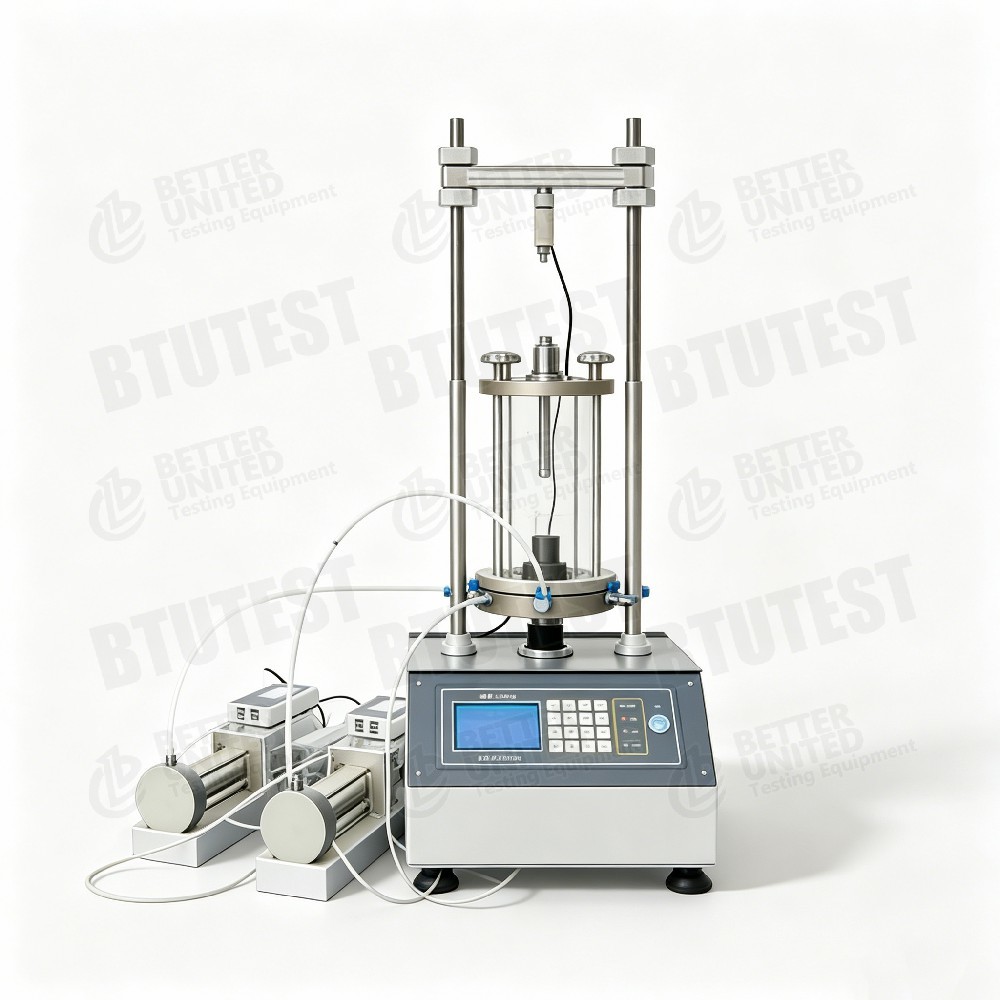
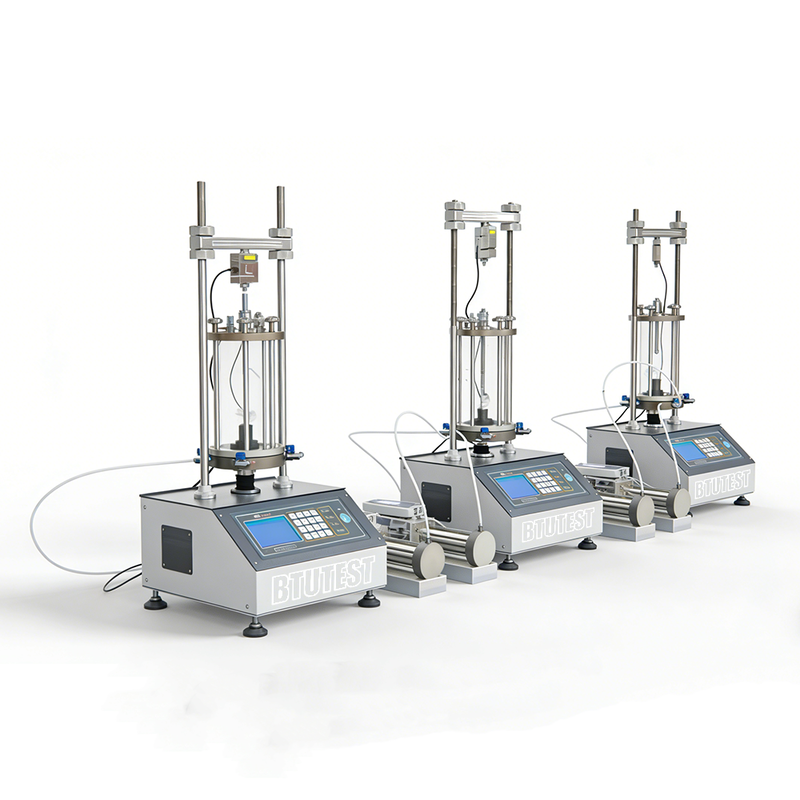
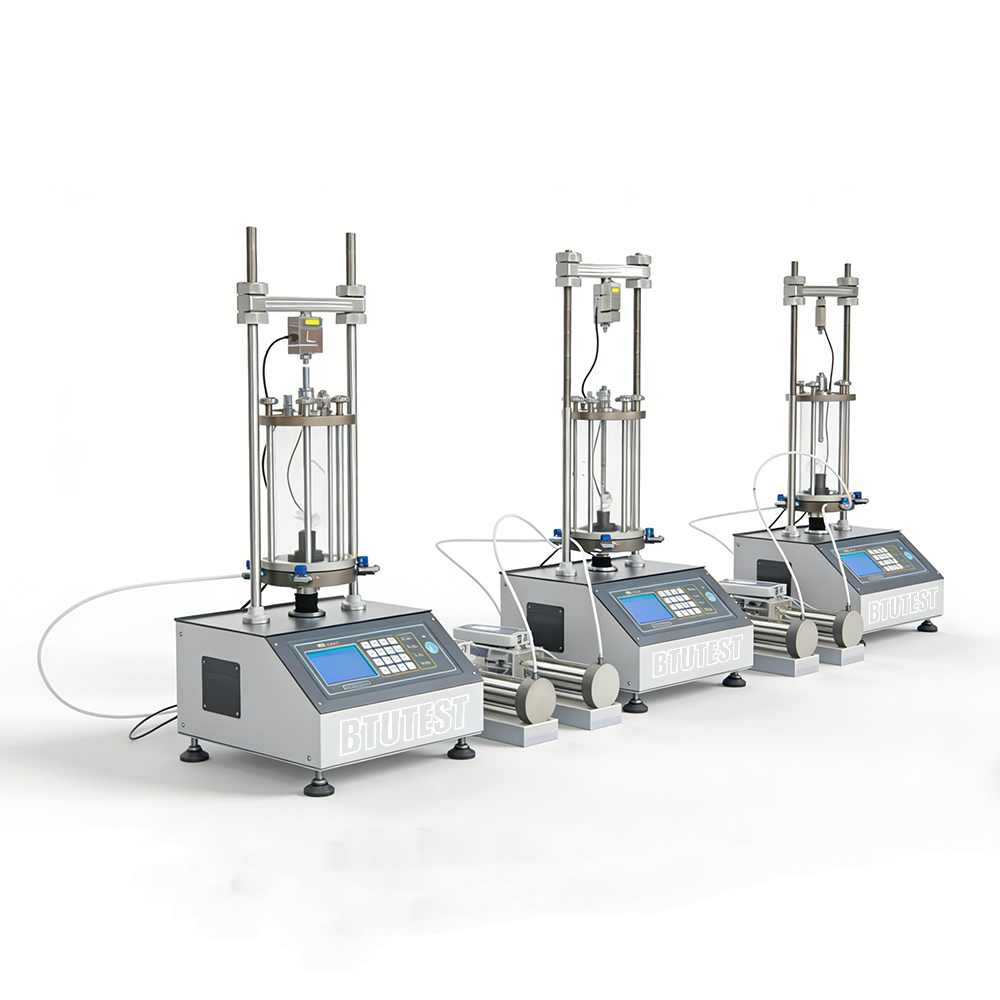
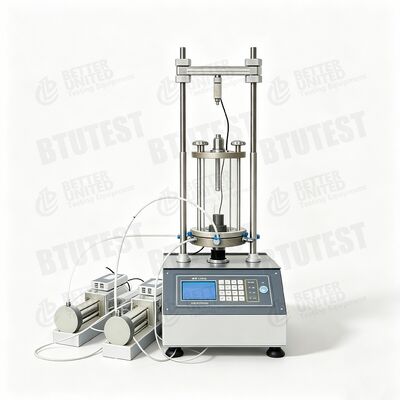
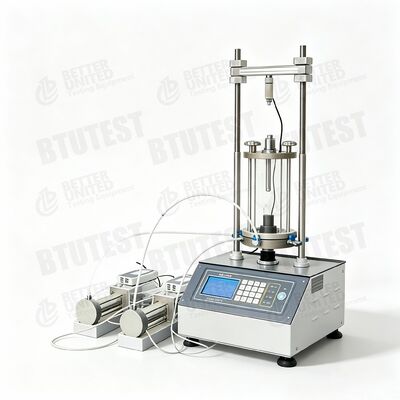
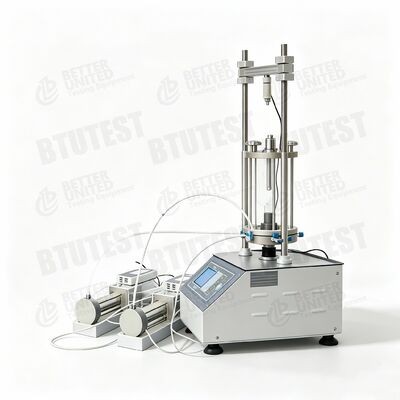
Dòng BTU-TTS là mộtHệ thống thử nghiệm geotechnical đa chức năngđược sử dụng để xác định tính chất cơ học của đất dưới các đường căng thẳng và điều kiện thoát nước khác nhau.bao gồm các yêu cầu thử nghiệm từ mẫu nhỏ đến mẫu đất hạt thô lớnHệ thống tích hợp tải trọng trục, áp suất tế bào, áp suất ngược, kiểm soát tốc độ cắt và các mô-đun thu thập dữ liệu, hỗ trợ các phương pháp thử nghiệm ba trục tiêu chuẩn khác nhau.
Mặc dù bảng này không liệt kê rõ số lượng tiêu chuẩn, nhưng dựa trên các thông số kỹ thuật thử nghiệm ba trục chung, hệ thống đáp ứng các tiêu chuẩn trong nước và quốc tế sau:
•ASTM D4767(Xét nghiệm nén triaxial không thấm nước hợp nhất)
•ASTM D7181(Xét nghiệm nén ba trục tập hợp)
•ASTM D2850(Xét nghiệm ba trục không hợp nhất)
•BS 1377: Phần 7(Kiểm tra ba trục tiêu chuẩn của Anh)
•ISO 17892-8(Xét nghiệm cắt lớp trục của đất)
•SL 237-1999(Phương pháp thử nghiệm địa kỹ thuật của Trung Quốc), v.v.
| Mô hình | Kích thước mẫu tối đa (mm) | Lực trục tối đa (kN) | Phạm vi tốc độ cắt (mm/min) | Khối/đồng độ áp suất ngược (ml) | Áp suất không khí tối đa (MPa) |
| BTU-TTS-1F | Φ70 × H140 | 10 | 0.00001 ¥9.99999 | 150 (cell) / 250 (back) @ 2MPa | 2 |
| BTU-TTS-3F | Φ101 × H200 | 30 | 0.00001 ¥9.99999 | 150 (cell) / 250 (back) @ 2MPa | 2 |
| BTU-TTS-5F | Φ38 × H76& Φ50 × H100 | 50 | 0.00001 ¥9.99999 | 150 (cell) / 250 (back) @ 2MPa | 2 |
| BTU-TTS-6F | Φ150 × H300 | 60 | 0.00001 ¥9.99999 | 150 (cell) / 250 (back) @ 2MPa | 2 |
| BTU-TTS-10F | Φ150 (độ cao không xác định) | 100 | 0.00001 ¥10 | 3000 @ 3MPa | 3 |
| BTU-TTS-20F | ước tính Φ200 | 200 | 0.00001 ¥10 | 3000 @ 3MPa | 3 |
| BTU-TTS-100 | Φ300 × H600 | 1000 | 0.00001 ¥5.6 | 8000 @ 3MPa | 3 |
| BTU-TTS-200 | Φ300 × H600 | 2000 | 0.00001 ¥5.6 | 16000 @ 6MPa | 6 |
•Máy điều khiển: Các bộ điều khiển độc lập cho áp suất tế bào và áp suất ngược, hỗ trợ điều khiển áp suất / khối lượng chính xác cao.
•Mô-đun thu thập dữ liệu: Tiêu chuẩn, để ghi lại thời gian thực lực trục, dịch chuyển, áp suất lỗ chân lông, thay đổi khối lượng.
•Các chức năng phần mềm: Bao gồm các mô-đun thử nghiệm sau:
◦ Sự bão hòa áp suất ngược
◦ Sự củng cố đồng trục / đồng trục
◦ Không hợp nhất Không thấm nước (U-U)
◦ Hợp nhất không thấm nước (C-U) với đo áp suất lỗ chân lông
◦ Củng cố thoát nước (C-D) với đo thay đổi thể tích
◦ K0 hợp nhất
◦ Kiểm tra đường dẫn căng thẳng
◦ Kiểm tra Rheological
◦ Định chuẩn cảm biến
◦ Sau khi xử lý và xuất dữ liệu
•Áp suất không khí: Được sử dụng để áp dụng áp suất tế bào và ngược; các mô hình cung cấp mức 2/3/6 MPa.
•Nghiên cứu địa chất kỹ thuật: Xác định các thông số độ bền cắt (c, φ) của đất nền và đất dưới lớp.
•Kiểm tra vật liệu đập: Các mô hình lớn (100/200) phù hợp cho các thử nghiệm ba trục trên đất hạt thô và đá.
•Phân tích độ ổn định độ dốc: Nhận được đường cong căng thẳng trong các điều kiện thoát nước khác nhau.
•Kỹ thuật ngầm: Mô phỏng phản ứng áp suất lỗ chân lông trong quá trình khai quật và tải.
•Nghiên cứu và giảng dạy: Được sử dụng để xác nhận các mô hình cấu tạo đất và nghiên cứu đường dẫn căng thẳng.
•Dải tải và kích thước rộng: Từ 10 kN đến 2000 kN, bao gồm đất hạt mịn đến đất hạt thô rất lớn.
•Kiểm soát cắt cực thấp: Ít nhất 0,00001 mm/min, thích hợp cho các thử nghiệm creep/rheological.
•Đo khối lượng chính xác cao: Kiểm soát khối lượng áp lực ngược lên đến 16000 ml, đáp ứng các yêu cầu về thoát nước mẫu lớn / thay đổi khối lượng.
•Điều khiển phần mềm hoàn toàn tự động: Tích hợp nhiều quy trình thử nghiệm tiêu chuẩn, giảm lỗi của con người.
•Thiết kế mô-đun: Cấu hình linh hoạt của áp suất tế bào / trở lại và áp suất không khí; hiệu chuẩn cảm biến dễ dàng.
| Parameter | Phạm vi / Giá trị |
| Chiều kính mẫu | 70 mm ~ 300 mm (hoặc lớn hơn) |
| Max. lực trục | 10 kN ~ 2000 kN |
| Tốc độ cắt | 0.00001 ~ 10 mm/min (tùy thuộc vào mô hình) |
| Áp suất tế bào | 2 MPa / 3 MPa / 6 MPa |
| Khối lượng | 150 ml ~ 16000 ml |
| Khối lượng áp suất ngược | 250 ml ~ 16000 ml |
| Phương pháp kiểm soát | Điều khiển tự động bằng máy tính + thu thập dữ liệu |
| Các loại thử nghiệm | UU, CU, CD, K0, đường dẫn căng thẳng, rheology |
Các khuyến nghị dựa trên loại mẫu và các yêu cầu thử nghiệm:
| Loại mẫu | Mô hình được khuyến cáo | Lý do |
| Đất hạt mịn (v đất sét, bùn) đường kính ≤ 70mm | BTU-TTS-1F | 10kN đủ, độ chính xác tốc độ cao, phù hợp với UU/CU/CD |
| Cát, đường kính sỏi mịn ≤ 101mm | BTU-TTS-3F | 30kN, áp suất tế bào 3MPa, đáp ứng nhu cầu triaxial thông thường |
| Vành sỏi trung bình, đường kính cát thô ≤ 150mm | BTU-TTS-5F hoặc 10F | 60 ~ 100kN, áp suất tế bào 3 ~ 6MPa, tùy chọn khối lượng áp lực ngược lớn |
| Đất hạt thô, đường kính đá nghiền ≤ 200mm | BTU-TTS-20F | 200kN, phù hợp với vật liệu hạ tầng / đập |
| Đất hạt thô rất lớn, đường kính đá ≤ 300mm | BTU-TTS-100 | 1000kN, độ cứng cao, cho các thử nghiệm ba trục căng thẳng cao |
| Căng thẳng cực cao (ví dụ, đá sâu) | BTU-TTS-200 | 2000kN, xác nhận kích thước mẫu |
Cũng xem xét: nhu cầu đo áp suất lỗ chân lông, độ chính xác thay đổi khối lượng, khả năng kiểm soát đường căng và cung cấp không khí nén tại chỗ.
Dưới đây là một quy trình tiêu chuẩn cho mộtKiểm tra không thoát nước (CU) hợp nhấtsử dụng loạt BTU-TTS (hầu hết các bước được điều khiển tự động bởi phần mềm):
Bước 1: Chuẩn bị và lắp đặt mẫu
• Chuẩn bị mẫu đất tái tạo hoặc không bị xáo trộn theo kích thước mẫu của mô hình (ví dụ: Φ70 × H140 mm).
• Lắp đặt đá xốp, giấy lọc, màng cao su xung quanh mẫu và đặt trên cơ sở tế bào ba trục.
• Lắp đặt cảm biến áp suất lỗ chân lông và đường thoát nước trên cùng, niêm phong tế bào.
Bước 2: Lấp đầy và khử khí hệ thống
• Mở pin và điều khiển áp suất ngược, đường đổ và pin với nước khử không khí, loại bỏ bong bóng không khí.
• Sử dụng chức năng khử không khí trực tuyến của phần mềm để đảm bảo đo chính xác thay đổi âm lượng.
Bước 3: Sự bão hòa áp suất ngược
• Chọn mô-đun "Back Pressure Saturation" trong phần mềm.
• Đặt áp suất ngược mục tiêu (ví dụ: 300 kPa) và áp suất tế bào (20 ~ 50 kPa trên áp suất ngược).
• Tự động áp dụng áp suất ngược trong khi theo dõi hệ số áp suất lỗ chân lông B (thường B≥0, 95 cho thấy độ bão hòa đầy đủ).
Bước 4: Xác định Isotropic/Anisotropic
• Chọn mô-đun "Consolidation" trong phần mềm.
• Đặt các tiêu chí ổn định áp suất tế bào mục tiêu (hoặc điều kiện K0) và thời gian củng cố / thay đổi khối lượng.
• Hệ thống tự động ghi lại thay đổi khối lượng và tiêu tan áp suất lỗ chân lông, tạo nhật ký củng cố.
Bước 5: Cải (không khô hoặc khô)
• Chọn mô-đun cắt, đặt tốc độ cắt (ví dụ: 0,05 mm / phút).
• Bắt đầu tải trọng trục; hệ thống ghi lại thời gian thực lực trục, dịch chuyển, áp suất lỗ chân lông (CU) hoặc thay đổi thể tích (CD).
• Tự động phát hiện trạng thái đỉnh hoặc kết thúc (ví dụ, căng đạt 20%).
Bước 6: Kết thúc thử nghiệm và xử lý dữ liệu
• Phần mềm tự động ngừng tải, giải phóng áp suất tế bào, xuất dữ liệu thô (năng lượng, căng, áp suất lỗ chân lông, thay đổi khối lượng).
• Mô-đun sau chế biến tính toán các thông số sức mạnh cắt (c, φ), mô-đun đàn hồi, căng thất bại, v.v.
• Tạo báo cáo thử nghiệm, xuất sang Excel / PDF.
Bước 7: Làm sạch và bảo trì thiết bị
• Rút nước tế bào, lấy mẫu.
• Làm sạch các đường và đá xốp; thực hiện kiểm tra làm bằng cảm biến.
Đối với các loại thử nghiệm khác (U-U, CD, đường căng thẳng, rheology), chỉ có điều kiện thoát nước và mục tiêu kiểm soát thay đổi trong giai đoạn bão hòa / củng cố / cắt;phần mềm cung cấp trình hướng dẫn tích hợp phù hợp.
Nhập tin nhắn của bạn

Cố gắng hết sức, làm cho mọi thứ tốt hơn.Mọi người đầu tiên,Năng suất sáng tạo, giải pháp chung
| Hebei Better United Import And Export Co., Ltd. |
| Hejie Town, Xianxian County, Cangzhou City, Hebei Province, China |
| 86-151-2879-5929 |
| sales@btutest.com |