logo
Gửi tin nhắn
Hebei Better United Import And Export Co., Ltd.

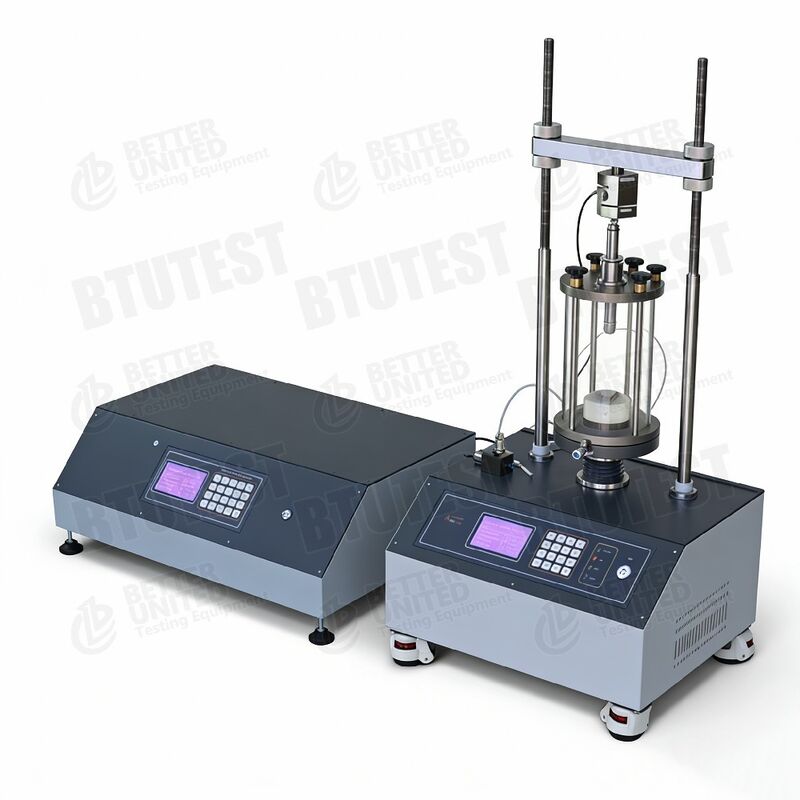
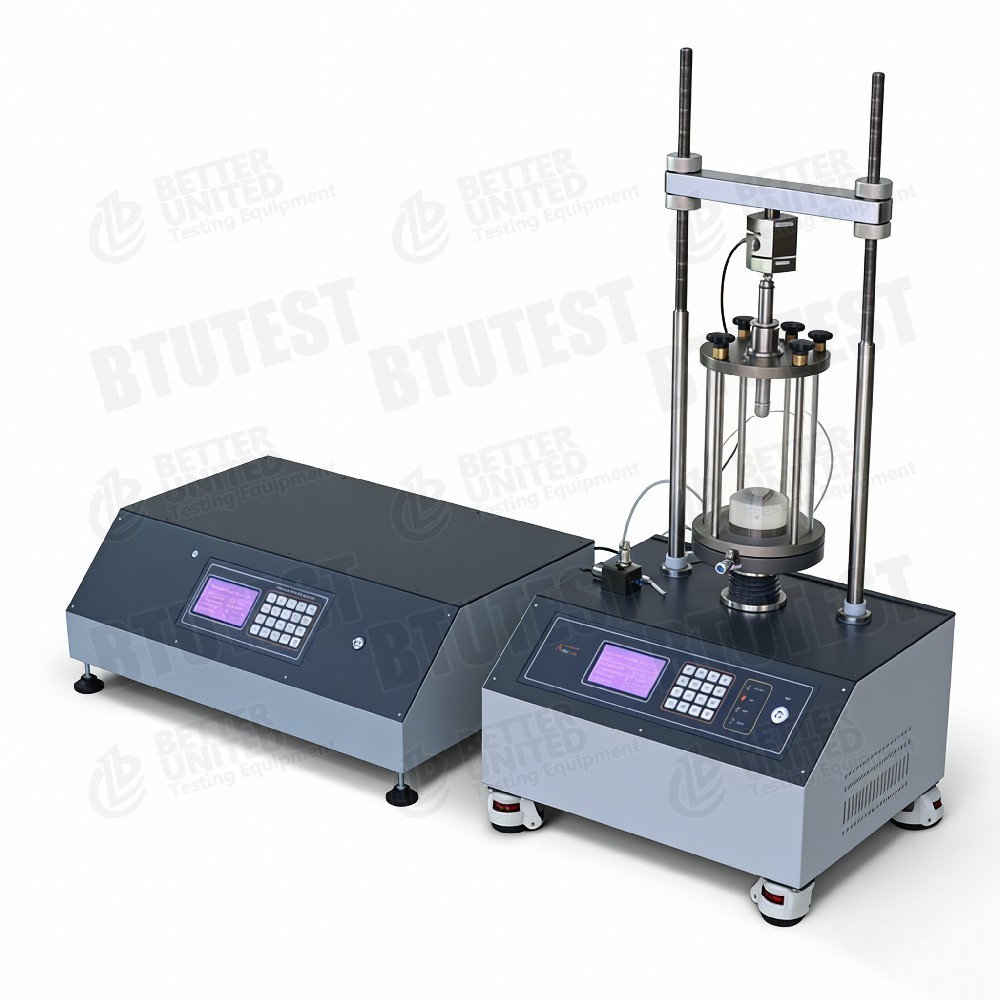
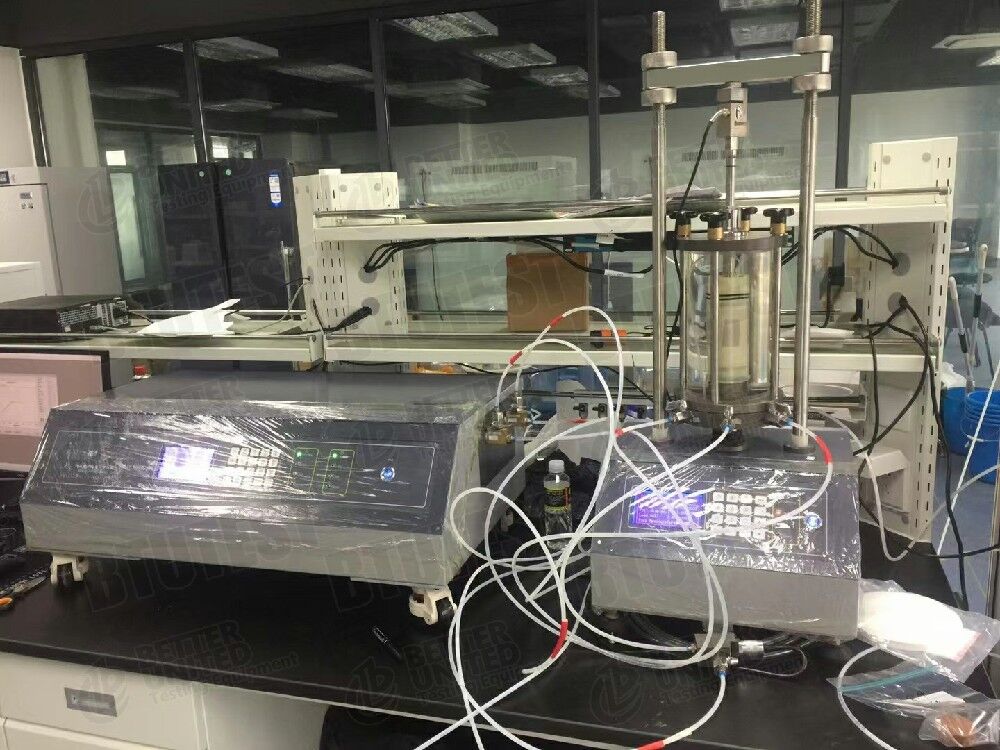
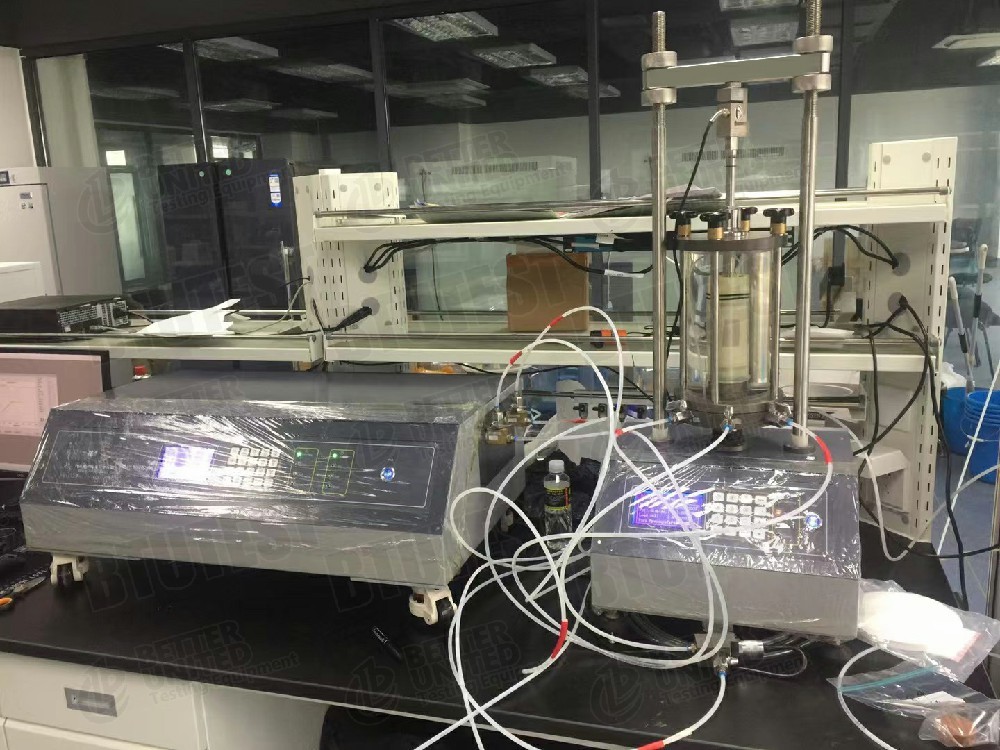
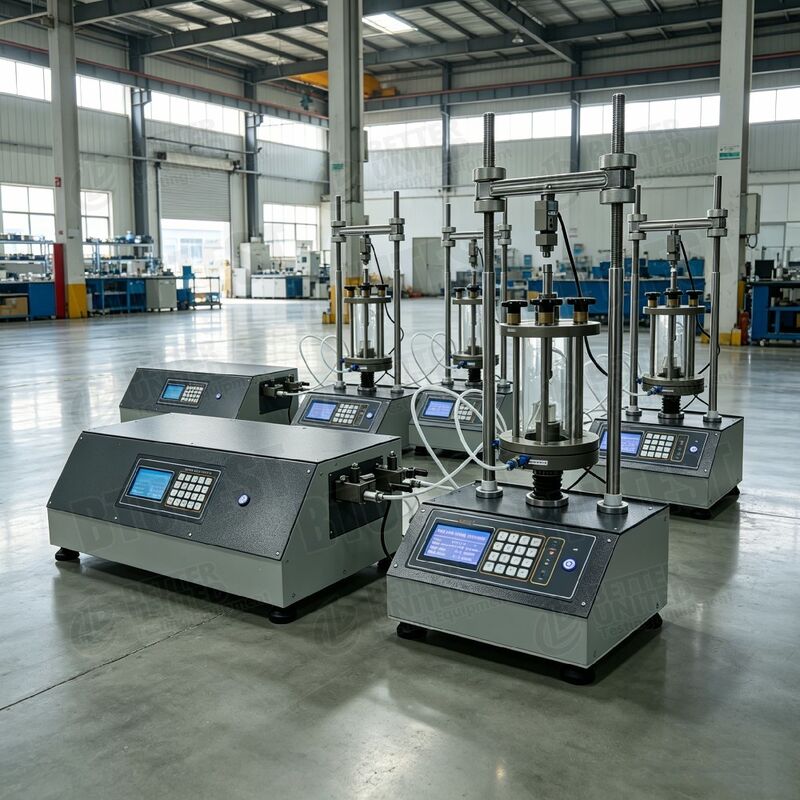
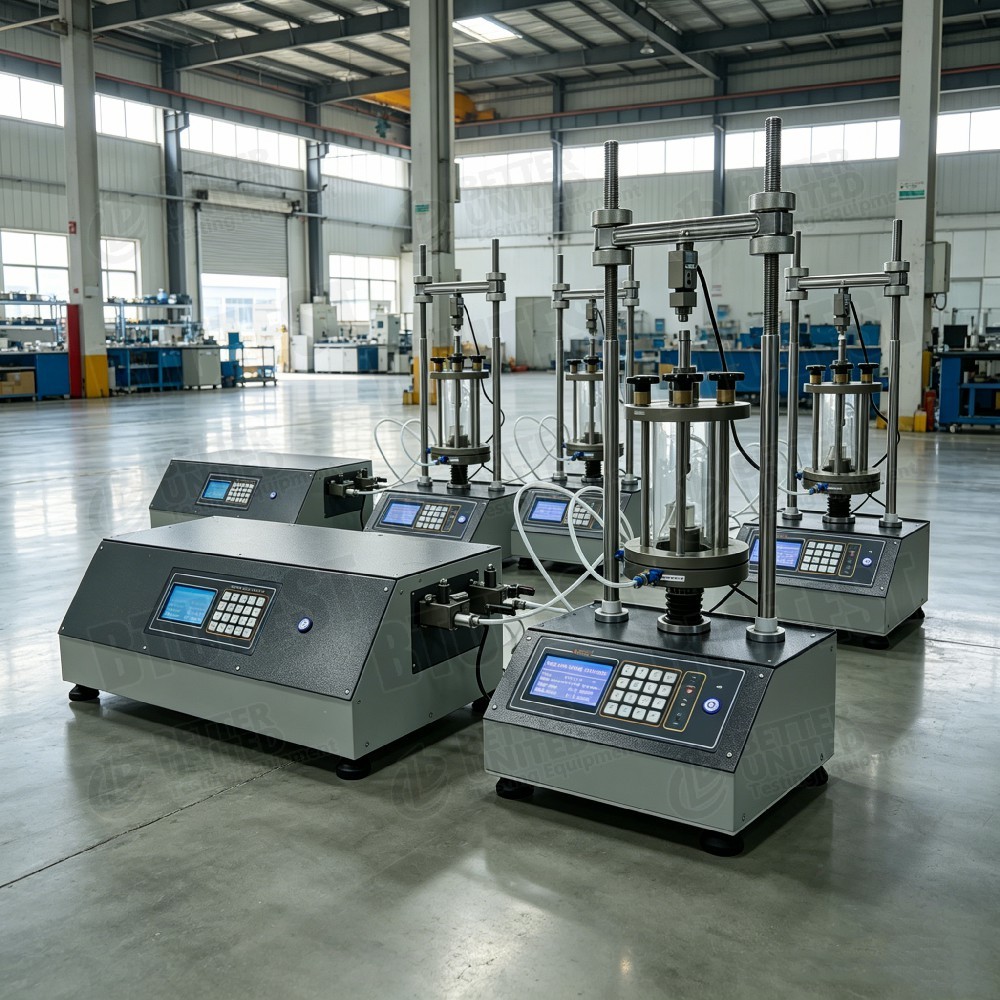
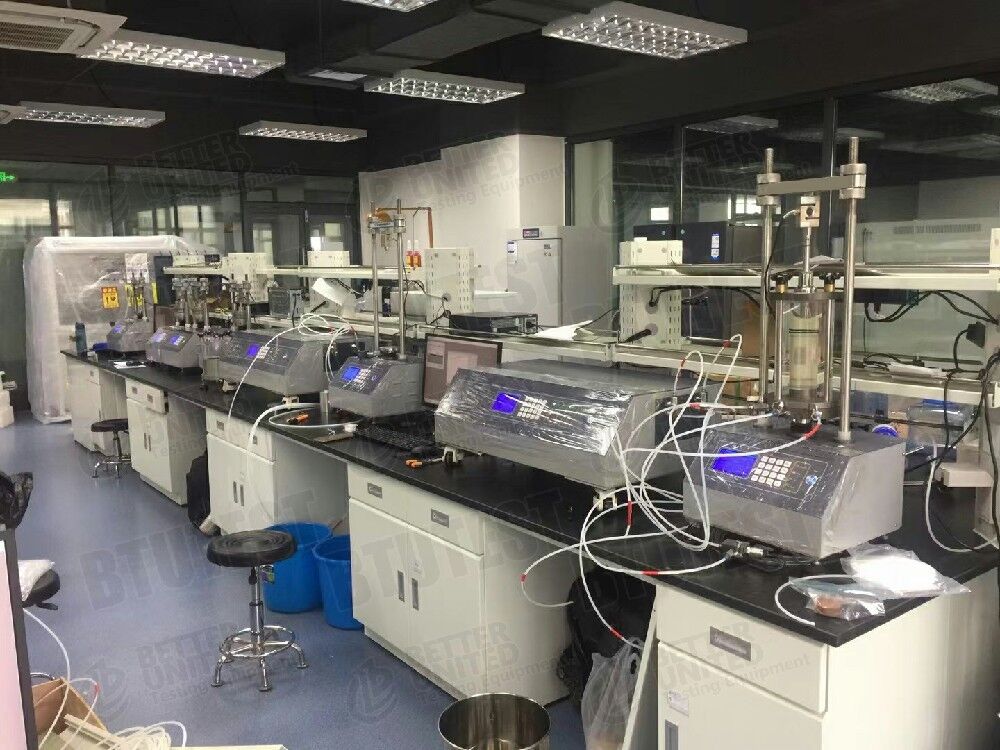
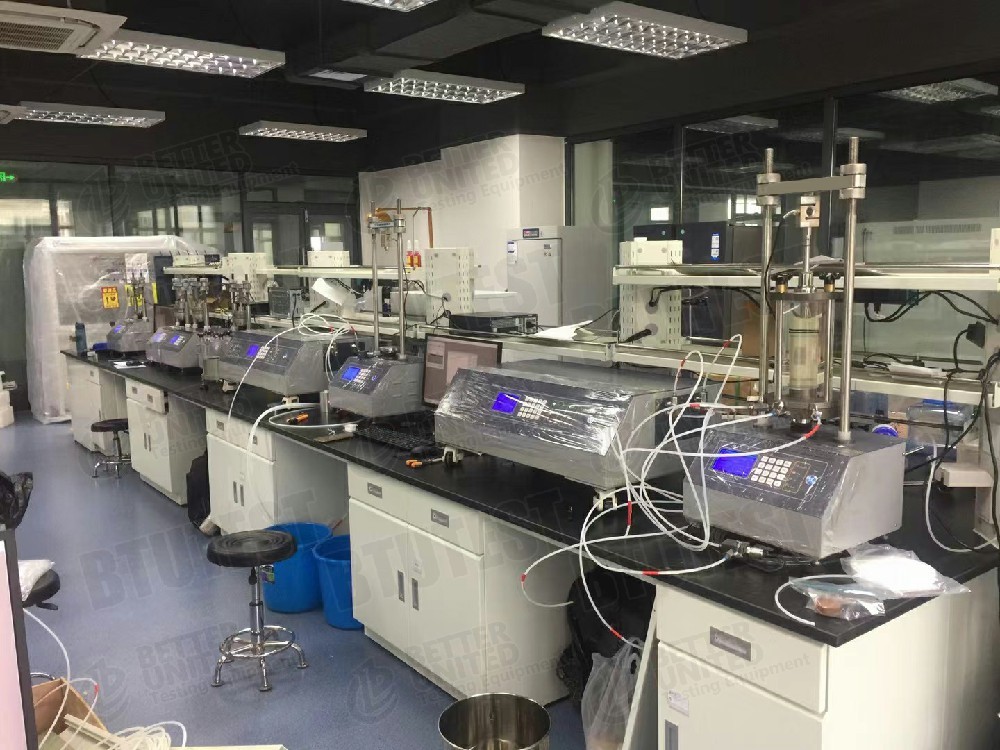
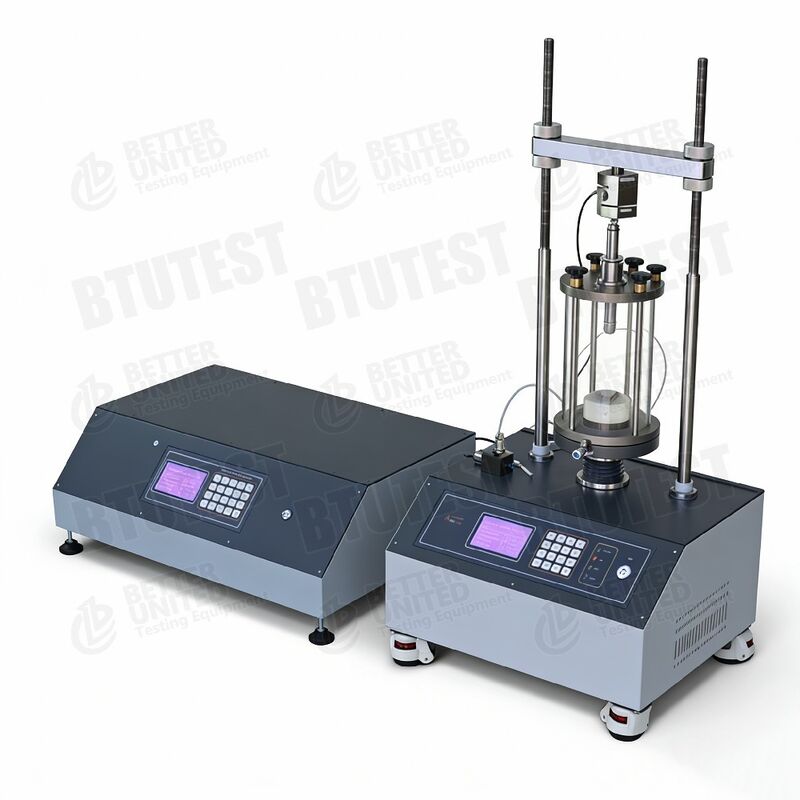
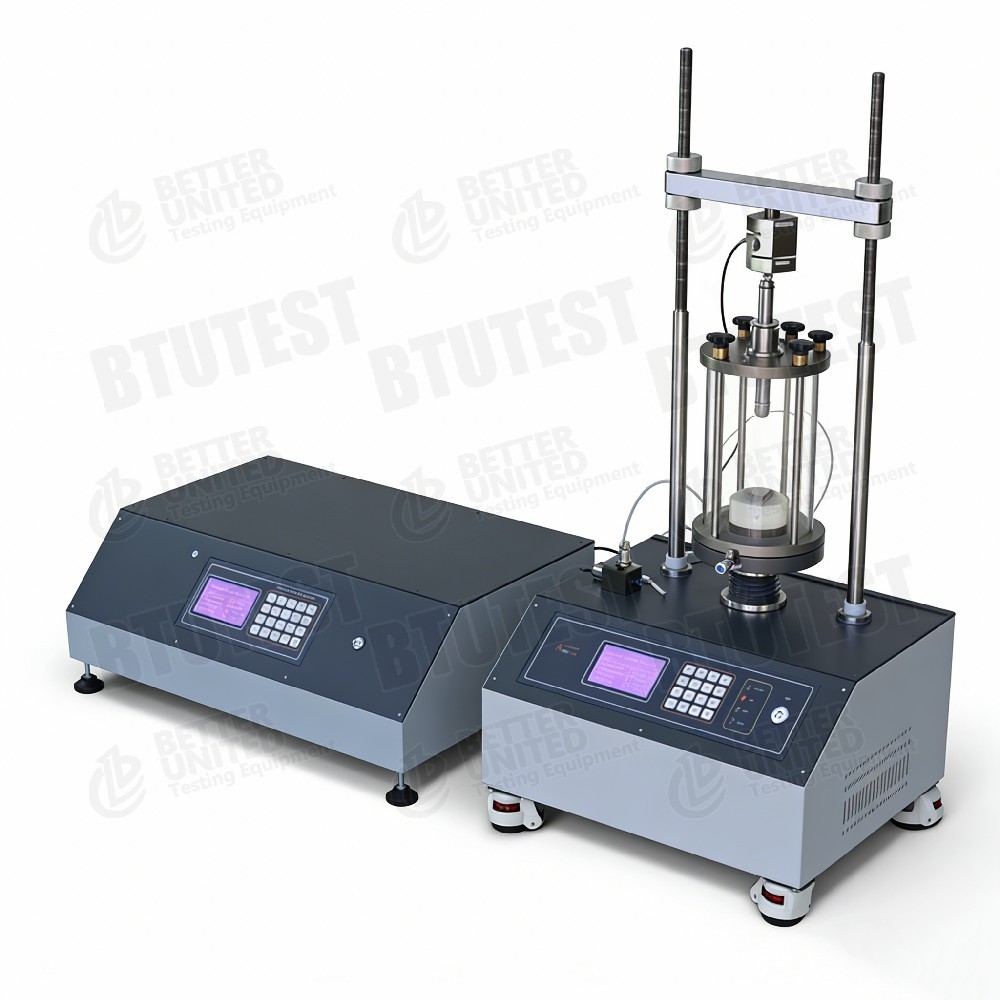
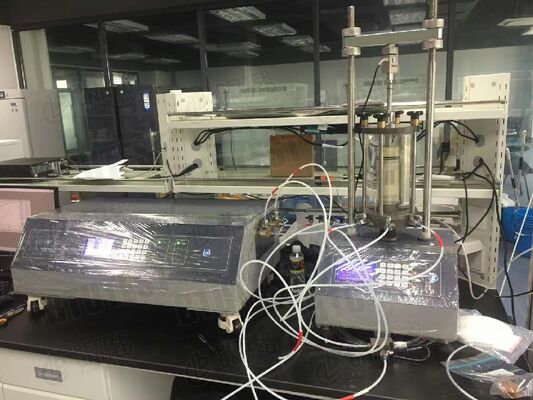
Automatic Triaxial Apparatus

Thông tin chi tiết sản phẩm:
Nguồn gốc: SẢN XUẤT TẠI TRUNG QUỐC
Hàng hiệu: BTUTEST
Chứng nhận: SGS, INTERTEK
Số mô hình: BTU-TTS-1
Thanh toán:
Số lượng đặt hàng tối thiểu: 1 bộ
Giá bán: Có thể thương lượng
chi tiết đóng gói: Thiết bị kiểm tra đất Hộp gỗ xuất khẩu tiêu chuẩn
Thời gian giao hàng: 6 ngày sau khi thanh toán
Điều khoản thanh toán: L/C, D/A, D/P, T/T, Western Union
Khả năng cung cấp: 100 bộ mỗi tháng
  • Thông tin chi tiết
  • Mô tả sản phẩm

Thông tin chi tiết

Tên: Thiết bị ba trục tự động Bảo hành: 1 năm
Tối đa. tải dọc trục: 10KN Tốc độ tải (mm/phút): 0,00001 – 9,99999
<i>Max.</i> <b>tối đa.</b> <i>Specimen Size (mm)</i> <b>Kích thước mẫu vật (mm)</b>: Ø50×H100  Độ chính xác áp suất:: ± 0,1% fs

Mô tả sản phẩm

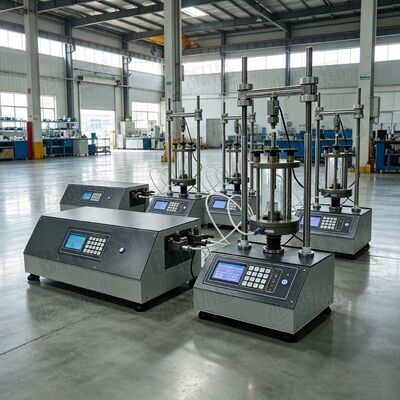
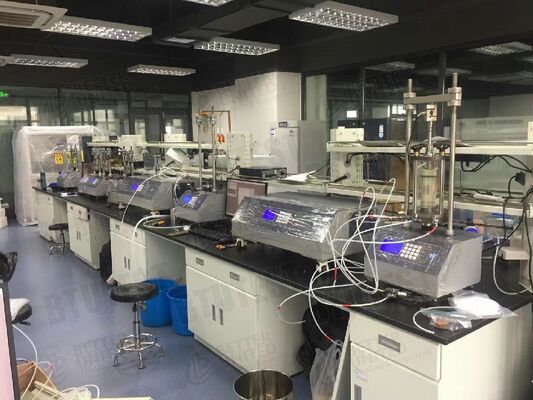
BTU-TTS Series Full Automatic Triaxial Testing System

Description

  • Master Loader
    • Rigid twin‑column construction, stepper motor with worm gear drive, low noise and smooth operation.
    • Built‑in upper/lower limit protection and overload protection (auto‑stop when axial force exceeds sensor range).
    • Axial displacement measurement: optional 50 mm range (accuracy 0.003 mm) or 100 mm range (accuracy 0.1% FS).
    • Axial force sensors: multiple ranges 0‑10/25/30/50/60/100 kN.
    • Control modes: optional – LCD graphic display with 16‑key membrane keypad, or 5.7‑inch touch screen.
    • USB port for computer connection; can operate standalone or as part of a fully automated triaxial system.
  • Pressure Volume Controller (PVC)
    • Used for precise control of confining pressure and back pressure, and for volume change measurement.
    • Built‑in pressure transducer and volume measurement (stepper motor step counting).
    • Can be used standalone as a constant pressure source (replaces mercury columns, compressed air, dead weights, etc.) or as a volume change gauge (resolution 0.001 ml).
    • USB interface for direct computer control.
    • Working medium is de‑aired water.

Test Standards (International)

  • ASTM D7012(Triaxial compressive strength of rock)
  • ASTM D7181(Consolidated undrained triaxial test for soil)
  • ASTM D4767(Consolidated drained triaxial test for soil)
  • ASTM D2850(Unconsolidated undrained triaxial test for soil)
  • ASTM D2166(Unconfined compressive strength)
  • ASTM D5084(Permeability test, optional)
  • ISRM suggested methods(Rock triaxial testing)
  • ISO 17892‑8/‑9(Geotechnical triaxial tests)

Specification

Master Loader Models and Parameters (Table 1)

Model Max. Axial Load Loading Rate (mm/min) Max. Specimen Size (mm)
BTU-TTS-1 10 kN 0.00001 – 9.99999 Ø50 × H100
BTU-TTS-3 30 kN 0.00001 – 9.99999 Ø70 × H140
BTU-TTS-5 50 kN 0.00001 – 9.99999 Ø100 × H200
BTU-TTS-6 60 kN 0.00001 – 6 Ø150 × H300
BTU-TTS-10 100 kN 0.00001 – 20.00000 Ø200 × H400
BTU-TTS-20 300 kN 0.00001 – 9.99999 Ø200 × H400
BTU-TTS-50 500 kN 0.00001 – 9.99999 Ø300 × H600
BTU-TTS-100 1000 kN 0.00001 – 6 Ø300 × H600


Pressure Volume Controller (PVC) Parameters (Table 2)

Model Max. Pressure Resolution Max. Volume Volume Resolution
BTU-PVC-1 2 MPa 1 kPa 60 cc (ml) 0.001 ml
 
  • Pressure accuracy: ±0.1% FS
  • Volume accuracy: 0.1% of measured value
  • Controller independent panel: 240×128 LCD, 16‑key membrane keypad, USB port
  • Automatic over‑pressure and over‑volume protection

Other Specifications

  • Master Loader power: 220‑240V/50Hz or 110V (optional)
  • Working environment: 0~40 ℃, relative humidity <85%, no strong electromagnetic interference
  • Maximum working pressure of triaxial cell: 2 MPa (as stated in this manual; other models may differ)
  • Interfaces: USB, 4‑pin DIN (external load cell / pore pressure sensor)

Detail

  • Integrated Master Loader design– Rear panel provides power, USB, external S‑type load cell connector, and external pore pressure sensor connector (4‑pin DIN).
  • Front panel– LCD displays current rate, axial displacement, axial load, confining pressure, pore pressure; 16‑key keypad allows setting rate, start/stop, fast up/down, parameter setup (time, simple calibration).
  • Fast positioning– Allows rapid raising/lowering of the loading platen to reduce setup time; auto‑home and limit switches prevent over‑travel.
  • PVC Controller
    • Independent embedded system with its own LCD and keypad.
    • Can set target pressures for confining and back pressure, or control fill/empty.
    • Confining and back pressure controllers are independent; both have USB ports.
    • Rear panel has water inlet (to water tank) and outlets (to cell confining/back pressure ports).
  • Triaxial Cell
    • Base has five ports: two for bottom drainage/pore pressure, two for drainage/confining pressure, one for top back pressure.
    • Top and bottom fastened with T‑bolts.
    • Transparent organic glass cylinder, maximum working pressure 2 MPa.
  • Specimen installation– The manual provides a detailed 10‑step illustrated procedure (inserting latex film, placing specimen, filter paper, porous stones, fixing top and bottom, split mould, filling cell with de‑aired water, etc.).
  • Tubing connections– Use 2 MPa quick‑connect fittings; nylon tube is inserted directly; to remove, press the collar inward and pull out the tube.
  • Electrical connections– Power socket with fuse holder.

Application

  • Conventional soil mechanics triaxial tests: UU, CU, CD, consolidation, stress path, etc.
  • Rock triaxial compression tests (with rock specimens).
  • Permeability tests (requires optional permeability module).
  • Unsaturated soil tests (requires unsaturated attachments).
  • Creep tests (very slow rate 0.00001 mm/min is supported).
  • Research and teaching: universities, research institutes, quality inspection centres.
  • Can be used standalone as a constant pressure source or volume change gauge.

Advantages

  • Modular design– Master Loader and PVC controllers are independent; can be combined into different capacity systems or used separately.
  • High‑precision volume measurement– 0.001 ml resolution, 0.1% accuracy, superior to conventional volume change tubes.
  • Wide loading rate range– 0.00001 ~ 20 mm/min (depending on model), covering creep to fast shearing.
  • Large specimen capacity– Up to Ø300×600 mm, suitable for coarse‑grained soils, rockfill, large‑diameter rock cores.
  • Overload protection– Automatic stop when axial force exceeds sensor range; over‑pressure/over‑volume protection on PVC.
  • Two control modes– Master Loader optional LCD+keypad or touch screen; PVC has its own independent control panel.
  • USB communication– Easy connection to computer for fully automated control.
  • Uses de‑aired water– Avoids hazardous media like mercury.
  • Corrosion protection– External parts stove‑enamel painted or chrome plated.

What To Choose

Select the Master Loader model according to requirements (refer to Table 1):

Specimen Type Recommended Model Reason
Small soil specimen (Ø50 mm) BTU-TTS-1 (10 kN) Sufficient, low cost
Conventional triaxial (Ø70~100 mm) BTU-TTS-3 / TTS-5 (30~50 kN) Common range
Coarse soil, soft rock (Ø150 mm) BTU-TTS-6 (60 kN) Requires higher force
Large‑diameter rock, rockfill (Ø200 mm) BTU-TTS-10 / TTS-20 (100~300 kN) High load capacity
Very large specimens (Ø300 mm) BTU-TTS-50 / TTS-100 (500~1000 kN) Special requirements

Pressure Volume Controller:The standard model is BTU-PVC-1 (2 MPa / 60 cc). For higher pressure (e.g., 3 MPa) or larger volume (e.g., 3000 ml), custom order is required (refer to the previous BTU-TTS-20 document).

  • Basic triaxial only– Master Loader + one PVC (confining); back pressure can be manual or an additional PVC.
  • CU/CD with saturation– Recommend dual PVC (confining + back pressure) with volume change measurement.
  • Unsaturated soil– Requires additional air pressure controller and ceramic disk.
  • Creep tests– Ensure the Master Loader rate range includes very low speeds.
  • Temperature control– Requires optional temperature control module (not described in this manual, but available in the series).

Process Flow

Based on Section 5 “Specimen installation” in the manual and a typical triaxial test procedure:

  • Preparation
    • Prepare the specimen (saturated or unsaturated), measure dimensions.
    • Prepare de‑aired water, water storage tank, latex membrane, filter paper, porous stones.
  • Specimen installation (10 steps, see Fig. 14)
    a. Insert latex membrane into the mould tube, turn ends outward, use a suction bulb to make the membrane stick to the tube wall.
    b. Place the specimen into the mould tube.
    c. Place the mould tube (with specimen) on the triaxial cell base, with filter paper and porous stone between base and specimen.
    d. Turn up the latex membrane and remove the mould tube.
    e. Secure the latex membrane to the base with rubber bands.
    f. Install a split mould around the specimen for protection.
    g. On top of the specimen, place filter paper, porous stone, and specimen cap, and secure with rubber bands.
    h. Remove the split mould.
    i. Install the transparent cell cover, tighten nuts, fill the cell with de‑aired water (open vent during filling).
    j. Close the vent and check for leaks.
  • Connect tubing and cables
    • Connect the confining PVC outlet to the cell’s confining pressure port.
    • Connect the back pressure PVC outlet to the cell’s back pressure port.
    • Connect the pore pressure sensor to the cell’s pore pressure port.
    • Connect the Master Loader and PVCs to the computer via USB.
  • Software setup and test(refer to software manual)
    • Start the triaxial testing software, select test module (saturation, consolidation, shearing, etc.).
    • Set parameters (confining pressure, back pressure, shear rate, stop conditions).
    • Automated execution: back pressure saturation → B‑value check → consolidation → shearing (strain or stress control).
  • End of test
    • Software automatically stops and saves data.
    • Manually unload confining and back pressure.
    • Open cell drainage valve, drain water.
    • Dismantle the specimen, clean the cell and tubing.
  • Data processing
    • Software can plot stress‑strain curves, pore pressure curves, volume change curves.
    • For tests with multiple confining pressures, automatically draw Mohr circles and calculate c, φ, then generate a report.
  • Maintenance
    • When not in use for a long time, empty water from the PVCs.
    • Avoid impacting the LCD screens and quick‑connect fittings.
    • Do not exceed the cell’s maximum working pressure (2 MPa for the model described in this manual).

Hãy liên lạc với chúng tôi

Nhập tin nhắn của bạn

Bạn có thể tham gia